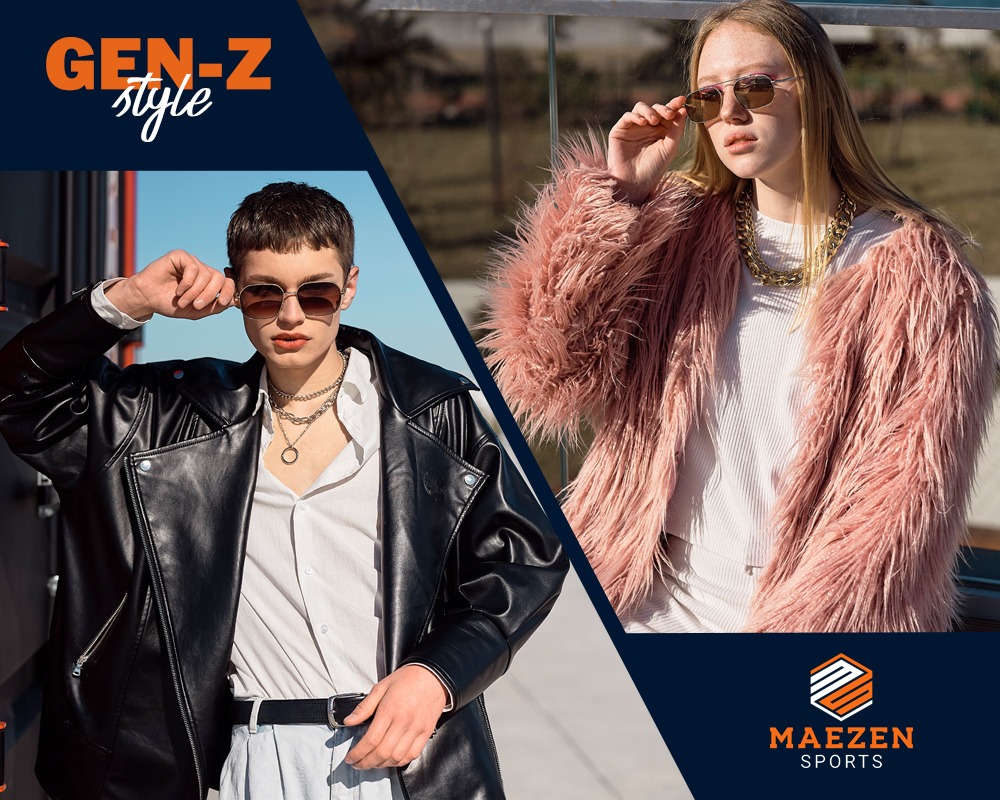
Fashion in 2026 is dominated by Generation Z, the most digital, socially conscious, and individualistic generation. Their influence is changing the course of global trends, ensuring that fashion is faster, more inclusive, and driven by values. They’re making an impact not only on social media but also in areas like sustainability and inclusivity, leading a worldwide embrace of global style.
Gen Z has popularized fashion staples like oversized T-shirts, cargo pants, crop tops, baggy jeans, sneakers, bucket hats, hoodies, graphic tees, denim jackets, and flannel shirts, blending comfort, individuality, and nostalgic styles.
Digital Platforms Drive Trends
Gen Z uses existing platforms such as TikTok, Instagram, and Pinterest to find and share fashion trends. An article (or a meme) can turn into a worldwide trend in hours, bypassing traditional fashion calendars and authority. It’s the everyday creators, not designers, who are increasingly setting the trends that resonate with consumers, and brands are forced to pay attention in real time across a variety of online platforms.
Sustainability Shapes Purchasing Decisions
Sustainability has become a non-negotiable value. Second-hand clothing, vintage finds, and eco-friendly brands are favored by Gen Z. Ethical certifications, traceable supply chains, and recycled materials are important. The resale market has ballooned into a significant global segment, with Gen Z consumers bringing their environmental consciousness into the fashion realm.
Gender-Neutral and Inclusive Design
Gen Z values comfort, fit, and inclusivity over traditional gender labels. Wardrobes are dominated by oversized silhouettes, neutral hues, and unisex collections. This shift has impacted streetwear and luxury fashion, leading brands to rethink products and marketing strategies in order to connect with a generation obsessed with identity and equality.
Nostalgia and Individual Style
’90s and ’00s-style vintage is tempered with modern touches. Gen Z prioritizes personalization and individuality over uniformity, blending minimalism, streetwear, and maximalism into creative forms. This fusion has made fashion more diverse, fluid, and expressive on a global scale.
Fashion Industry Takes a Hit Around the World
The preferences of Gen Z are reshaping the industry globally. Brands are producing smaller, more frequent collections and becoming more open to local styles that can be globalized through social media. The industry is shifting from a top-down structure to a consumer-led model driven by values, creativity, and online influence.
Conclusion
In 2026, Gen Z has reinvented fashion to be fast, inclusive, and socially conscious. Digital culture, sustainability, inclusivity, and individuality are no longer options—they’re now central to driving global trends. Those who understand and adapt to Gen Z’s priorities will thrive, while those who ignore this generation risk becoming irrelevant.
FAQs
1. Who is Gen Z in the context of fashion?
Gen Z refers to people born roughly between the mid‑1990s and early 2010s. In fashion, they are known for being digital natives who value authenticity, inclusivity, sustainability, and self‑expression rather than traditional style rules.
2. How does Gen Z influence fashion trends?
Gen Z influences trends primarily through digital platforms like TikTok, Instagram, and Pinterest. Viral looks, videos, and creator content can make fashion trends global in hours, bypassing traditional runway cycles.
3. Why are digital platforms more important than fashion shows today?
Digital platforms allow everyday creators — not just designers — to dictate what’s trending. Styles spread faster online, and brands monitor social media engagement to understand and react to consumer preferences instantly.
4. What role does sustainability play in Gen Z’s fashion choices?
Sustainability is a priority for Gen Z. Second‑hand clothing, vintage items, eco‑friendly brands, and transparent supply chains influence buying decisions. This generation prefers brands that show real commitments to the environment.
5. What is a gender‑neutral fashion trend?
Gender‑neutral fashion includes clothing designed without traditional male/female distinctions. This means unisex fits, neutral colors, relaxed silhouettes, and styles that are meant for all identities — reflecting Gen Z’s focus on comfort, equality, and self‑expression.
6. How has Gen Z changed the concept of personal style?
Gen Z values individuality first. They blend styles from different decades (like ’90s and ’00s) with current looks, creating unique outfits that resist uniform fashion rules. Personalization and mix‑and‑match creativity are key.
7. Why is the resale market booming with Gen Z shoppers?
Because Gen Z favors sustainable fashion and affordability, resale platforms (like Depop, Poshmark, Vestiaire Collective) have grown rapidly. These platforms allow shoppers to buy vintage or second‑hand items instead of always purchasing new products.
8. How are global fashion brands adapting to Gen Z’s preferences?
Brands are producing smaller, more frequent collections, embracing inclusivity in sizing and marketing, and highlighting sustainability practices. They also engage more directly with online communities to stay culturally relevant.
9. What does inclusivity in fashion mean?
Inclusivity means offering a range of sizes, styles that fit different body types, and designs that don’t rely on gender stereotypes. It also includes diversity in advertising and representation.
10. Can traditional fashion houses survive Gen Z’s preferences?
Yes, but only if they adapt. Brands that ignore sustainability, individuality, and digital trends risk losing relevance. Houses that embrace transparency, inclusivity, and online culture are already adjusting and thriving.
11. What fashion trends are popular among Gen Z today?
Popular Gen Z trends include oversized fits, vintage ’90s and 2000s pieces, gender‑fluid looks, sustainable outfits, and bold streetwear combinations that reflect personal identity over uniform trends.